Website Development
Built for the people who use it and the team that runs it.
We build accessible WordPress sites that perform reliably, stay easy to update, and leave restrictive page builders behind.
Website Development
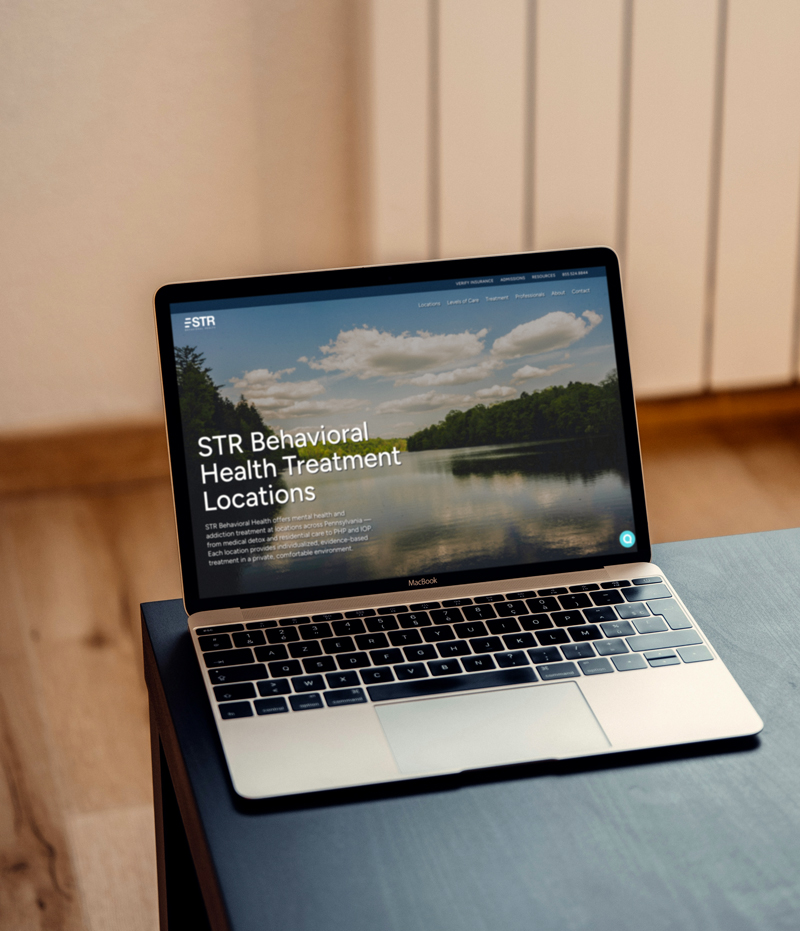
Strong websites are built from the inside out.
Development is the point when your website evolves from an idea into an experience. It has to hold up in all environments: desktop and mobile, across browsers, on slow connections, and more.
We build for all users’ needs. The result is a website that looks right, works reliably, and stays manageable as your needs change.
We remove the friction that makes websites harder to manage.
What We Deliver
Systems that fit your workflow
Content structures should reflect how the organization already manages information. Your team shouldn’t have to invent awkward workarounds to satisfy the website.
Problems are easier to trace
Clean, documented code makes it easier to understand how the website works, identify the source of an issue, and make changes without causing unexpected problems elsewhere. That means less time spent untangling the build before useful work can begin.
Every tool has a clear purpose
New technology brings updates, compatibility concerns, and maintenance. We add tools when they solve a real problem and leave them out when they don’t.
Growth won’t require rebuilding
The site’s structure should accommodate new pages, services, locations, and features. Good planning makes growth an extension of the existing site, not a reason to start over.
What does a native WordPress build change for your team?
Your team shouldn’t need a developer for every website update. We build around WordPress’s native editing tools so managing content, adjusting layouts, and creating new pages become part of everyday work.
Routine updates become easier to handle
Gutenberg, the WordPress block editor, gives your team reusable blocks built around the content they manage most. Editors work with clear, purposeful controls instead of a blank page filled with settings. That makes common updates faster and reduces the risk of disrupting the layout.
More of the website stays within reach
Full Site Editing, or FSE, brings pages, headers, footers, and templates into one consistent system. Your team doesn’t have to learn separate tools or send every sitewide change to a developer. The same editing logic carries across the website, making it easier to understand what can be changed and how.
Create beyond the original pages
The website isn’t limited to the layouts included at launch. Your team can use flexible blocks and patterns to build new sections, landing pages, and on-page conversion tactics that blend seamlessly with the original design.
What a website development project looks like
We define which markets, services, offers, and audience needs deserve paid coverage before deciding how the account should be built.
Every build starts by looking beyond the approved pages. We need to understand how content will be managed, which systems the website must connect with, what your team will update, and how the site needs to grow. Those answers shape the technical foundation before development begins.
How It Works
Map the build
We review the designs, content, functionality, integrations, accessibility requirements, and hosting environment. Then we define the templates, reusable components, content types, and technical requirements needed to support the full site.
Build the website system
We develop the custom block theme, page templates, blocks, patterns, navigation, and interactive features. Each piece is built to work responsively and fit into one consistent editing experience.
Test with real content and real conditions
The site is reviewed across desktop and mobile devices, current browsers, slower connections, and different content lengths. We also test forms, integrations, keyboard navigation, accessibility, and performance before launch.
Launch and prepare for what comes next
We complete final quality checks, move the site into its live environment, confirm redirects and tracking, and show your team how to manage and update your new site. When ongoing maintenance is part of the engagement, we continue handling updates, monitoring, and improvements after launch.
What We Do
Accessibility is a development practice, not a final checklist.
Website Accessibility
Most accessibility problems arise — and are cheapest to solve — during the build. Getting the structure right also makes the site easier to navigate for everyone and easier for search engines and AI systems to read.
- Semantic structure and logical heading order
- Keyboard operability on every component
- Screen reader testing, not just automated scans
What We Do
Development doesn’t stand alone.
Website Design
Before the build
Design defines your site’s identity; development is the vehicle that brings it to life. When the two are built by the same team, the design is drawn with the build in mind, and the build is written to protect (and scale) the design.
Website Maintenance
After the build
The site is built so your team can easily manage it, but that doesn’t mean they have time to. If your bandwidth is limited, we offer an ongoing maintenance retainer that streamlines content updates, technical needs, and improvements.
Good to Know
Website Development FAQs
Can you rebuild an existing WordPress website?
Yes. We can rebuild an existing WordPress site on a cleaner, more flexible foundation. Before recommending a full rebuild, we assess the current website to determine whether targeted improvements or a new build would make more sense.
How long does a website development project take?
The timeline depends on the number of templates, custom features, integrations, content requirements, and approval process. We establish the development schedule after defining the full scope and identifying what must be ready before the build begins.
What is custom WordPress development?
Custom WordPress development means building the website around your content, goals, and functionality instead of adapting an off-the-shelf theme. We create the block theme, templates, content structures, and features needed for your site without loading it with tools you won’t use.
Will our team be able to update the website?
Yes. We build with Gutenberg and the WordPress block editor so routine content changes are clear and manageable. Custom blocks and patterns also make it easier to add polished sections and pages without starting from scratch.
Do you use WordPress page builders?
No. We build with WordPress’s native block-based tools rather than page builders like Elementor, Divi, or WPBakery. This avoids an extra software layer that can affect performance, complicate maintenance, and restrict future changes.
Can you connect the website to our other systems?
Yes. We can connect forms and website features with CRMs, email platforms, analytics tools, call-tracking systems, careers platforms, and other business technology. Integration requirements are identified early so they can be built and tested as part of the project.
Is SEO considered during website development?
Yes. Development affects site speed, mobile usability, crawlability, semantic structure, redirects, and other parts of technical SEO. We account for those requirements during the build so the finished site gives future SEO work a stronger foundation.
Is website accessibility part of the build?
Accessibility is considered throughout development. We use semantic HTML, logical heading structures, keyboard-friendly components, accessible form controls, and other practices that improve usability. A dedicated accessibility engagement can add deeper auditing, remediation, and WCAG testing.
What happens after the website launches?
Your team can manage the website directly, or we can continue handling updates and improvements through a maintenance plan. Maintenance gives teams without the time or capacity to manage the site an organized way to submit requests and keep the website current.
How much does custom WordPress development cost?
Cost depends on the website’s size, functionality, integrations, content structure, and technical requirements. We define the scope first, then provide pricing based on what the site needs.
Work With Us
Know exactly where your marketing stands. We’ll get to the root of it and shape the work from there.
Resources