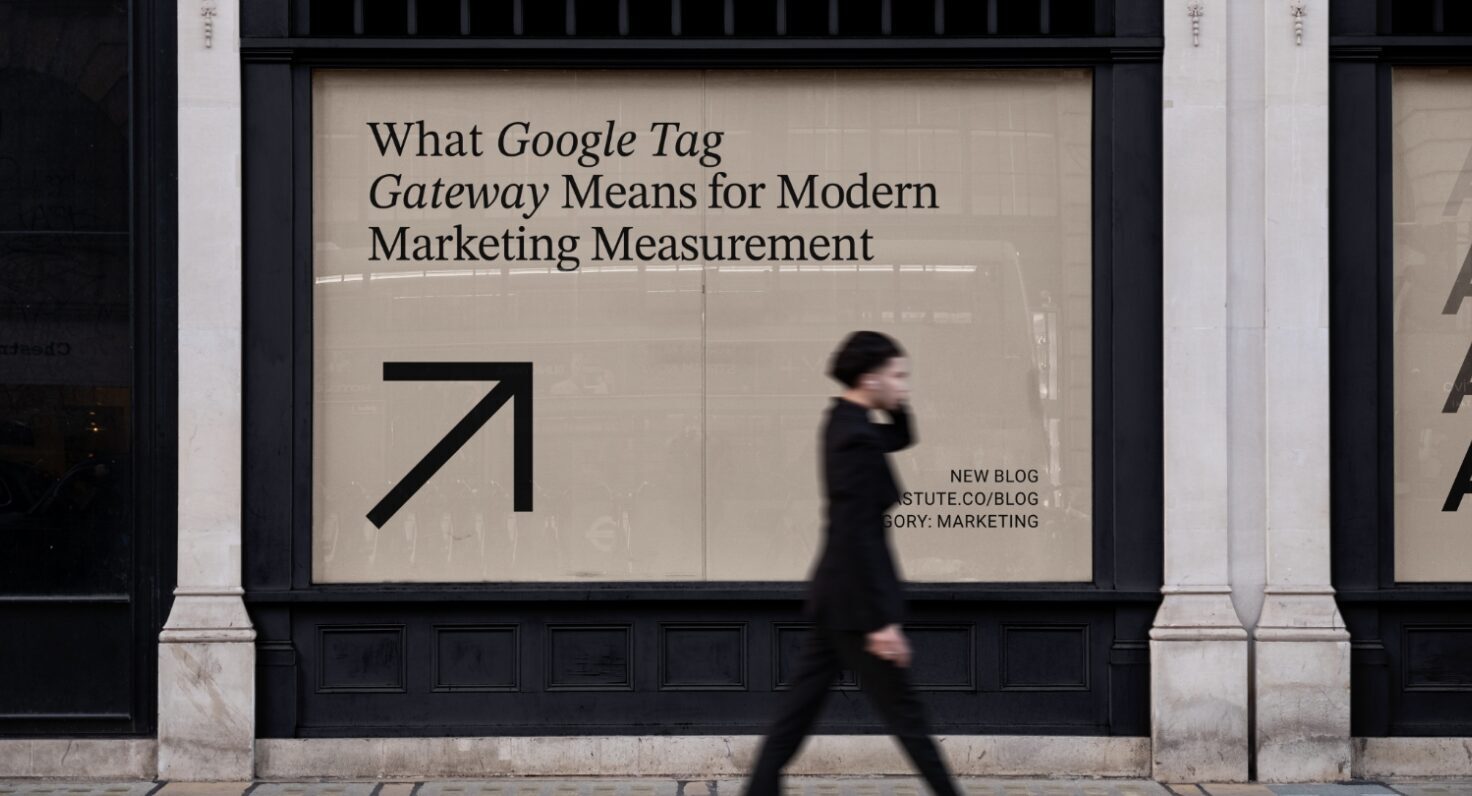
Analytics & Tracking
Turn disconnected data into a reliable measure of your marketing.
Connect website, campaign, call, and CRM data for a clear, connected view of performance.
We build the measurement foundation behind the marketing.
A campaign may generate traffic. A website may generate calls and forms. But when those actions aren’t tracked accurately or connected to what happens next, the business can’t see which investments are creating real opportunities.
That uncertainty makes it easier to waste budget, overlook strong channels, and optimize around numbers that don’t reflect actual performance. That means cleaner tracking, stronger connections between platforms, and reporting that shows where leads come from, what they become, and where money or attention may be getting lost.
The systems, connections, and context behind better decisions.
What We Deliver
Analytics and measurement strategy
A structured plan for what should be measured, how each outcome should be defined, and which business questions the data needs to answer.
SEO tracking & analytics
Implementation, organization, and ongoing monitoring across Google Analytics 4, Google Tag Manager, and Google Search Console.
PPC & conversion tracking
Reliable tracking for calls, forms, bookings, purchases, and other meaningful actions, with clear rules for what counts as a conversion.
CRM integration & management
Connections between marketing sources and downstream lead data so performance can be evaluated beyond the initial inquiry.
Data governance & tracking compliance
Consistent naming conventions, UTM standards, consent controls, and tracking processes that keep the data cleaner as campaigns and platforms expand.
Marketing Reporting & Analysis
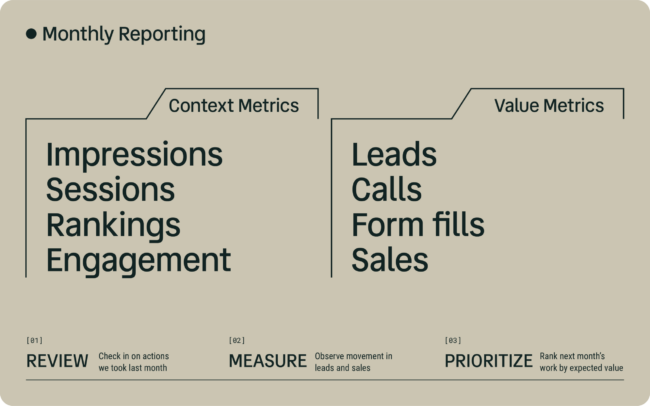
Clear monthly reporting that translates performance changes into business context, useful conclusions, and recommendations for what happens next.
Clean data in. Better decisions out.
We define which markets, services, offers, and audience needs deserve paid coverage before deciding how the account should be built.
A dashboard can only be as dependable as the systems feeding it. We pay close attention to how data is captured, labeled, transferred, and interpreted before it reaches the report.
[+]
Tracking with standards
Tags, events, and conversion actions are built around consistent definitions rather than added one at a time without a larger plan.
[+]
Platforms connected
Website, advertising, call, email, and CRM data are brought together wherever the technology and privacy requirements allow.
[+]
Conversions weighted by value
A button click, qualified phone call, booked appointment, and closed sale shouldn’t all carry the same meaning.
[+]
Limitations made visible
Attribution gaps and privacy constraints are explained clearly rather than hidden behind a level of precision the data can’t support.
Our Work
See how our services become a strategy.



See where marketing actually creates value.
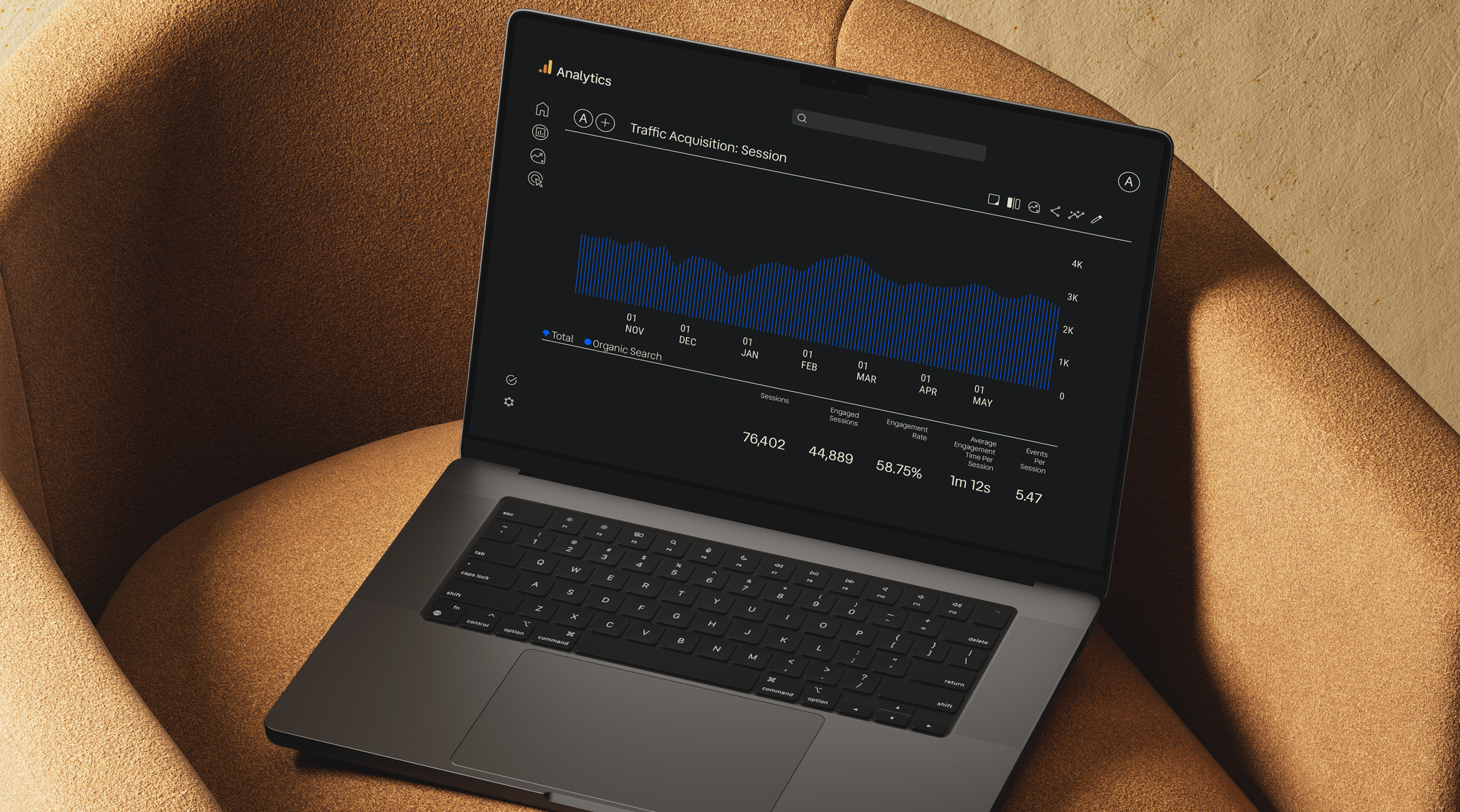
A connected view of performance helps answer the questions that matter most: Which channels are creating demand? Which actions lead to real opportunities? Which leads turn into business?
That context makes it easier to compare channels based on what they contribute beyond the initial click, call, or form fill. Instead of giving every conversion equal weight, you can see which efforts are bringing in stronger leads and moving them further toward revenue.
With a clearer picture of performance, teams can make better calls about where to invest, what to improve, and what may no longer deserve the same budget or attention.

Our analytics & tracking toolkit
- Google Analytics 4
- Google Tag Manager
- Google Search Console
- HubSpot
- CTM
- CallRail
- Reporting dashboards
- BigQuery
- Salesforce
- Conversion APIs (Google, Meta)
- Any platform you bring to us, we’ll work with your existing stack
We think beyond the dashboard.
An effective analytics system doesn’t stop at displaying traffic, clicks, and conversions. It helps the business understand what those numbers mean and what should change because of them.
How It Works
Start with the business question
We identify the decisions the team needs to make before deciding which metrics belong in the report. That keeps measurement focused on useful answers rather than available data.
Build a reliable foundation
We review how website actions, campaign activity, calls, forms, and lead details are captured. Missing tags, duplicate events, inconsistent UTMs, and disconnected systems are addressed at the source.
Connect the customer path
Marketing performance becomes more useful when it can be followed beyond the first click. We connect source data with calls, forms, CRM stages, qualification details, and revenue, where the systems allow.
Add outside context
Historical performance shows what changed internally. Competitor activity, search demand, and broader market trends can help explain why it changed and whether the business should respond.
Translate data into action
Reports should identify what improved, what declined, what may be causing it, and where the next opportunity sits. The goal is to reduce uncertainty around the next decision.
Keep the system current
Websites, campaigns, privacy requirements, and platforms continue to change. We monitor the data for unusual shifts, broken connections, and new opportunities to improve measurement.
What We Do
Go deeper into performance.
Call Tracking
See which channels, campaigns, and pages produce qualified calls.
Conversion Rate Optimization
Find where visitors lose momentum and turn more qualified traffic into action.
Performance & Tracking Systems
Connect website, campaign, call, CRM, and reporting data into one reliable system.
Good to Know
Analytics and Tracking FAQs
What does an analytics and tracking service include?
The exact scope depends on the existing marketing and technology stack.
It may include an audit of GA4 and Google Tag Manager, conversion setup, call tracking, Google Search Console monitoring, campaign attribution, UTM governance, HubSpot or CRM integration, dashboard development, and ongoing performance analysis.
The goal is to create a connected measurement system rather than treat each platform as a separate reporting project.
How do I know whether our tracking is accurate?
Tracking needs to be tested through the full path.
We complete the action on the website, confirm which tags and events fire, follow the data into the receiving platforms, and compare the reported conversion with what the business actually received.
We also look for duplicate events, missing source details, broken integrations, inconsistent definitions, and engagement actions being counted as high-value conversions.
Can you connect GA4 with HubSpot?
Yes, although the level of connection depends on the website, account setup, consent requirements, and the data already being captured.
We may connect campaign and source information with HubSpot contact records, lifecycle stages, opportunities, and revenue data. This helps show whether traffic and conversions are becoming leads the business can actually use.
What does call tracking show?
Call tracking can connect an inquiry with the marketing source, campaign, keyword, ad, or landing page that influenced it.
When call outcomes or CRM data are added, the business can also begin separating qualified conversations from wrong numbers, spam, existing-customer calls, and inquiries that don’t fit the service.
Why don’t GA4, Google Ads, and HubSpot show the same numbers?
Each platform may use different attribution models, conversion windows, identity methods, and rules for counting an action.
Google Ads may credit an ad interaction, GA4 may assign the session differently, and HubSpot may use the source attached to the contact record. Some variation is expected.
We identify which differences are normal, which point to a tracking issue, and which system should guide each type of decision.
Can analytics prove marketing ROI?
Analytics can create a much clearer connection between marketing investment and business outcomes, but the strength of that connection depends on the available data.
Revenue attribution is more dependable when campaigns, website actions, phone calls, CRM records, and sales outcomes are captured consistently. Offline conversations, privacy limits, disconnected systems, and long decision cycles can leave gaps.
We make those limitations clear while building the strongest view the data can reasonably support.
What should a monthly marketing report include?
A useful report should explain what changed, why it matters, and what action follows.
Traffic, rankings, spend, and conversions provide useful signals. Lead quality, sales outcomes, customer value, tracking confidence, and movement over time add the context needed to make a business decision.
The report should reduce questions rather than create a longer list of metrics to interpret.
Can you improve the tracking we already have?
Yes. Many businesses don’t need to start over.
We can audit the existing setup, correct broken or duplicated tracking, improve naming and UTM standards, refine conversion definitions, connect missing systems, and rebuild the reporting around the questions the business actually needs answered.
How often should analytics tracking be reviewed?
Tracking should be tested after website launches, form updates, campaign changes, CRM migrations, consent updates, and new platform integrations.
It should also be reviewed periodically even when no major change is planned. Websites and platforms evolve, and a tracking setup can stop working correctly without producing an obvious error.
Work With Us
Know exactly where your marketing stands. We’ll get to the root of it and shape the work from there.
Resources