Website Design
A strong brand deserves a strong online presence.
We design custom websites that make information easier to navigate, give visitors a reason to stay, and guide them toward the next step.
Website Design
Your website should feel specific to your business.
Premade templates begin with someone else’s structure. The brand, content, and goals are then forced to fit within it.
Custom website design starts in the opposite place. We consider what makes the business different, what the audience expects, and what the website needs to accomplish. Those inputs shape the visual direction and the experience built around it.
We connect visual design with everyday usability.
What We Deliver
The brand comes through in every detail
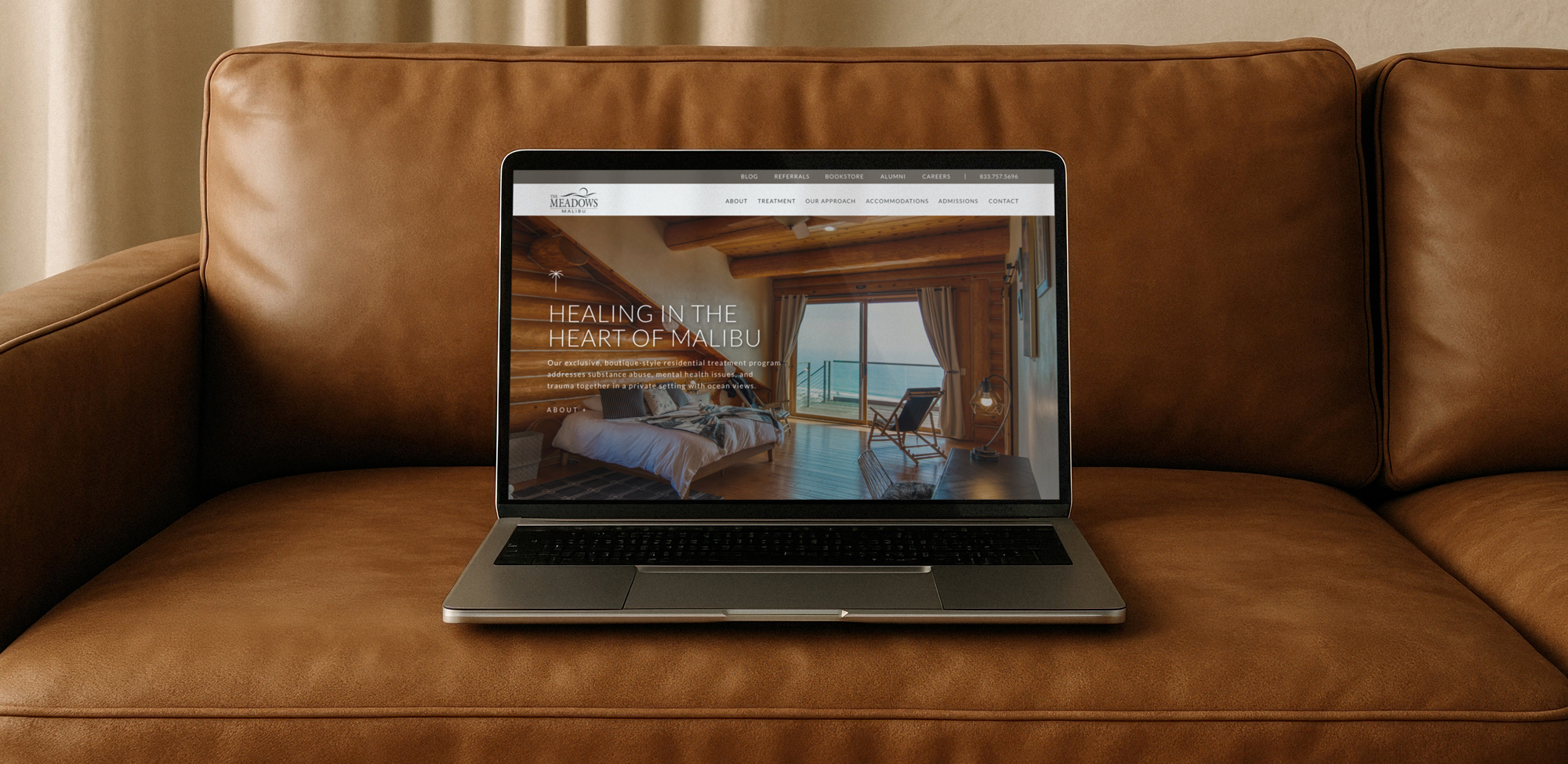
Typography, imagery, spacing, color, and movement work together to express the brand’s personality. The website should feel connected to the business, not like its logo was placed inside a generic layout.
Each page gives people a reason to keep going
The layout creates enough rhythm and variation to keep visitors engaged as they move through the content. Important moments stand out without every section competing to be the loudest.
Calls to action appear when visitors are ready
Buttons and forms work best after the page has given visitors a reason to use them. We place conversion points where they follow naturally from the information and confidence built above them.
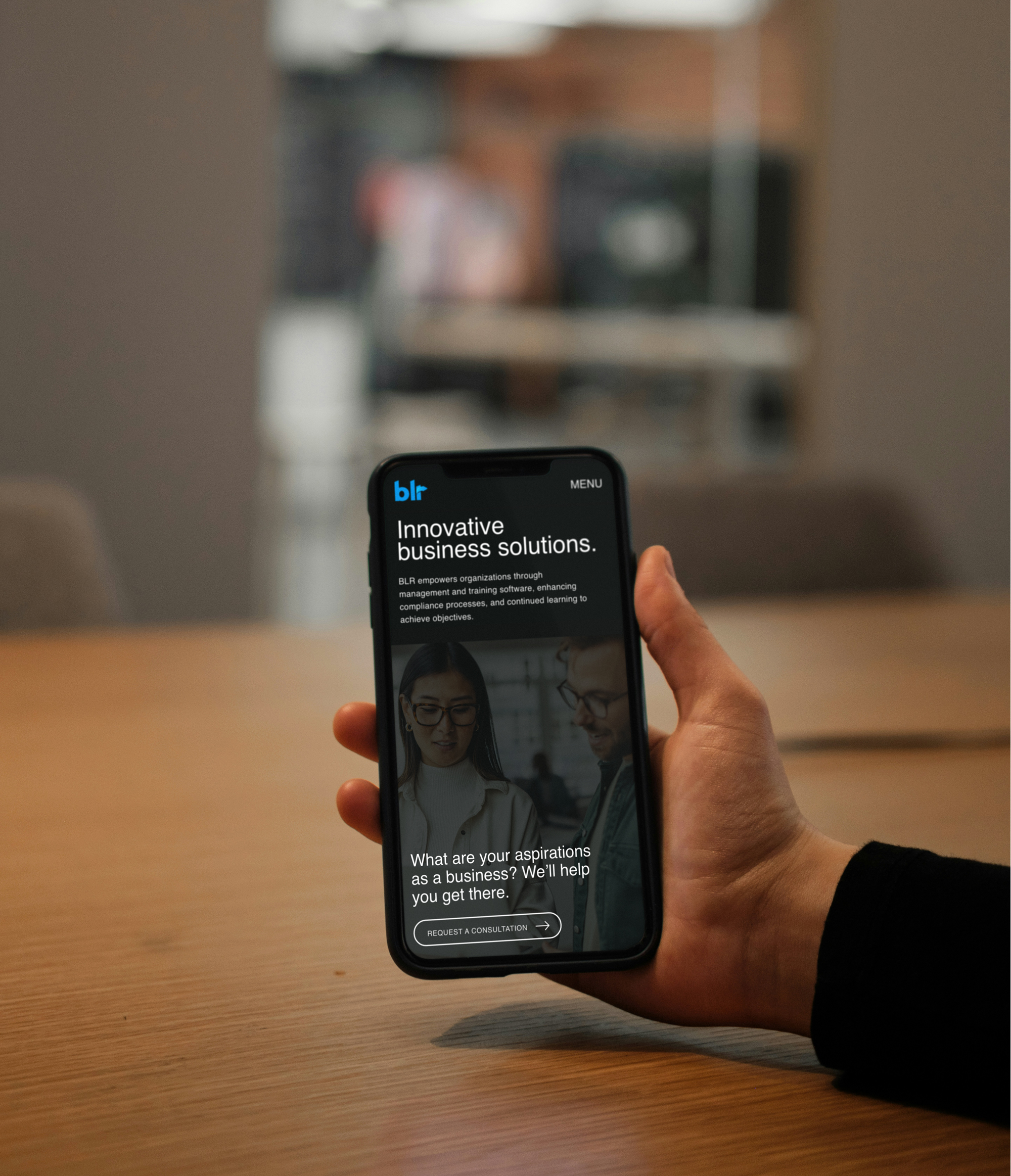
Mobile is designed for the way people use it
Responsive design isn’t shrinking the desktop layout. Content order, navigation, spacing, imagery, and interactions are considered for various screen sizes and different browsing behaviors.
What a custom website design includes
Every custom website design includes the structure, layouts, and visual details that shape how people experience your site. The scale of the project can vary, but each engagement includes the following:
Site structure, user flow, and navigation
A plan for how pages are organized, labeled, grouped, and connected across the website.
Wireframes
Early page layouts that establish content priority, section order, and functionality before visual styling begins.
Visual direction and art direction
Typography, color, imagery, graphic treatments, and other choices that give the website a cohesive identity.
Responsive page designs
Layouts for key page types across screen sizes, including decisions about content order, spacing, navigation, and interaction.
Reusable components and patterns
A flexible set of sections, cards, calls to action, forms, and other elements that can be combined across the website.
Interaction states and development guidance
Designs for menus, forms, errors, confirmations, hover states, and other behaviors the development team needs to build the experience accurately.
What a website design project looks like
We define which markets, services, offers, and audience needs deserve paid coverage before deciding how the account should be built.
Every project starts with the website in context. We need to understand who will use it, what they need to find, what the business needs them to do, and what the design must communicate about the brand. Those answers guide the work from early structure through development-ready files.
How It Works
Define the direction
We confirm the audience, business goals, and brand requirements, as well as current and future content needs, priority actions, and technical considerations. We also identify key stakeholders and establish a schedule of milestones and deliverables to keep everyone aligned.
Plan the experience
We organize the website’s pages, navigation, and content paths. Wireframes establish what each page needs to communicate, what deserves priority, and how visitors should move through the information before visual design begins.
Build the visual system
We establish the typography, color, imagery, spacing, components, and interaction patterns that shape the website’s identity. Key pages are designed first, giving the broader system a clear standard to follow.
Extend and prepare the design for development
The approved direction is carried across the remaining pages, templates, screen sizes, and interaction states. We document how components should behave so the development team can build the experience accurately and consistently.
What We Do
Accessibility starts with the design.
Website Accessibility
Many accessibility barriers exist before development begins. Low contrast, unclear hierarchy, small text, weak focus states, and controls that are difficult to recognize can make a website harder to use, regardless of how well it’s coded.
Accessibility informs choices throughout the design process, including:
- Color contrast and legible typography
- Clear hierarchy and consistent navigation
- Visible focus and interaction states
- Touch targets that work across screen sizes
- Forms with clear labels, instructions, and errors
- Layouts that remain usable when text is enlarged
What We Do
Website design doesn’t stand alone.
Branding
Before the design
A defined brand gives the website a visual and verbal foundation. When that foundation needs work, branding establishes the identity, standards, and point of view that the website design will carry forward.
Website Development
After the design
Development turns the approved design into a working website. When the same team handles both, the design accounts for responsive behavior and technical realities from the beginning, and the build preserves the experience the design was meant to create.
Good to Know
Website Design FAQs
What is custom website design?
Custom website design creates the structure, visual system, navigation, and page layouts around a specific business, audience, brand, and set of goals. It doesn’t begin with a premade template that the content must fit into.
What is the difference between website design and website development?
Website design determines how the site looks, feels, communicates, and guides visitors. Website development turns that design into a working website with responsive layouts, interactive features, content structures, and integrations.
Why choose custom website design instead of a template?
A template begins with a fixed layout and asks the business to work within it. Custom design begins with the content, audience, and goals, allowing the page structure and visual system to support what the website actually needs to accomplish. A custom solution also removes the bloat that comes with premade solutions, creating a project that is more performant and less prone to conflicts.
Can you redesign an existing website?
Yes. We review the current website to understand what is working, what is creating friction, and what should be preserved. A redesign can address navigation, page structure, brand alignment, accessibility, mobile usability, and conversion opportunities. We’ll build something that looks great, and that your team can actually use and manage easily.
Will the website design work on mobile devices?
Yes. Responsive behavior is considered throughout the design process. Layouts, navigation, content order, images, forms, and interactive elements are planned across screen sizes to provide the optimal experience for the greatest number of users.
Is accessibility considered during website design?
Yes. We use WCAG Level AA guidelines to inform design decisions about color contrast, typography, navigation, forms, and interactive elements. Addressing accessibility during design helps reduce barriers before development begins. Projects requiring formal accessibility audits or compliance verification are scoped to include that work.
Do we need to have all website content ready before design begins?
You don’t need to bring finished content to start a project. We write website content for many of our clients and can include that work in your engagement. Before page design begins, we need a working draft to guide the layout, content hierarchy, and navigation. That draft can still be refined during design and development.
Is SEO considered during website design?
Yes. Design affects navigation, page hierarchy, mobile usability, internal linking opportunities, content placement, and engagement. We account for those needs while planning the experience, while technical SEO requirements are addressed during development.
How long does a website design project take?
The timeline depends on the number of page types, the size and readiness of the content, the complexity of the design system, and the review process. We establish the schedule after defining the scope and approval requirements.
How much does custom website design cost?
Cost depends on the website’s size, number of unique page templates, content requirements, functionality, and brand needs. We define the scope first, then provide pricing based on the design work the project requires.
Work With Us
Know exactly where your marketing stands. We’ll get to the root of it and shape the work from there.
Resources