Digital Design
Your brand shouldn’t feel different from screen to screen.
From websites to social graphics to email campaigns, we shape the structure, interface, and visual cues that help people know where to look and what to do next.
UX is the feeling. UI is the room.
Every page is a sequence of decisions. What the eye lands on first, how quickly the copy reads, where the next step sits, and whether the reader trusts the room they are standing in.
We work on UX and UI together, because a clear tone in an unclear interface still loses people. Most visitors skim, so we design for a quick read first and a close read second.
Digital design problems we see most often
Our digital design services
We define which markets, services, offers, and audience needs deserve paid coverage before deciding how the account should be built.
Most projects start in one of these and grow into the others. We provide these services through ongoing retainers and larger standalone projects, with accessibility standards guiding the work from the first layout.
What We Deliver
[+]
Websites & UX
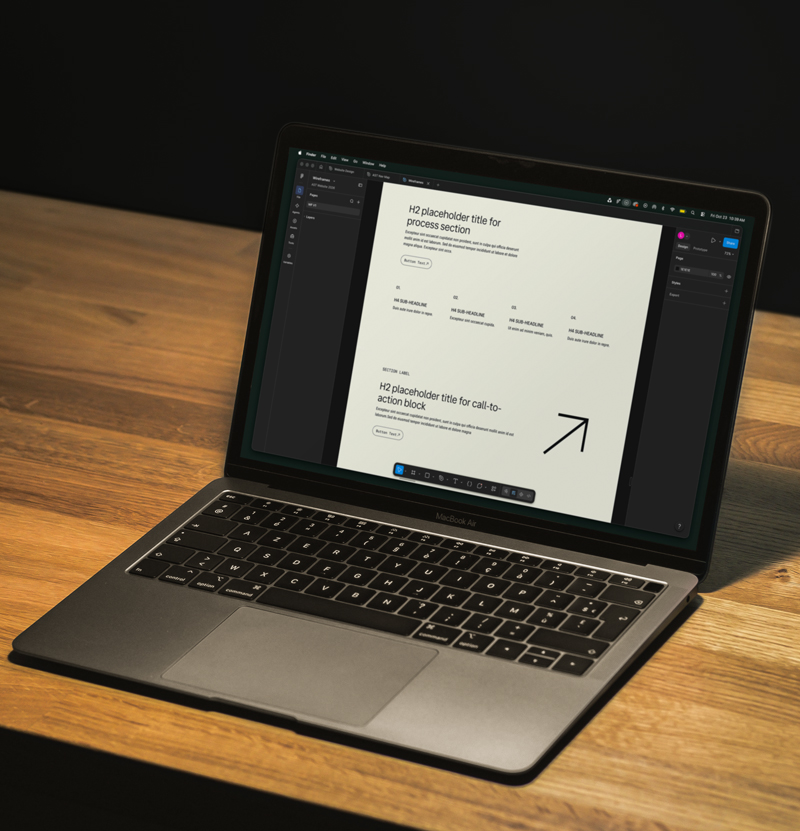
Sitemaps, navigation, page layouts, responsive interface design, and campaign landing pages, delivered as designs your developers can build from.
[+]
Email campaign assets
Email templates, campaign creative, and gated content like guides and reports — designed to be engaging, readable on a phone, and clear about the next step.
[+]
Decks & documents
Pitch decks, reporting templates, and infographics. We organize the information first, then design it so the main point of each page is obvious.
[+]
Social packages
Post and story templates, sizing for each platform, and style guides so your team can produce new posts without redesigning them.
[+]
Brand guidelines
A guide covering logo use and clear space, color values with tested contrast pairings, type styles, photography direction, and the rules for application — so anyone producing work for you gets it right without asking.
[+]
Design systems
The reusable parts behind webpages: buttons, forms, cards, and navigation, documented with their states — hover, focus, error, disabled — so your developers build consistently, and nothing gets invented twice.
What a digital design project looks like
The process changes with the deliverable. A website requires different decisions than a campaign, deck, or email system. In every case, we define the goal, audience, requirements, deliverables, and review process before design begins.
How It Works
Define the work
We review the brand, content, existing assets, technical requirements, and intended audience. Then we confirm what will be created, who needs to approve it, and when each stage will be reviewed.
Set the direction
Before moving into detailed design, we establish the structure, hierarchy, and visual direction. Early reviews focus on whether the work communicates the right message and functions as intended.
Design and refine
Once the direction is approved, we apply it across the required pages, formats, screen sizes, or templates. Feedback is gathered at agreed review points and addressed in focused revision rounds.
Prepare for use
Final deliverables may include production-ready files, responsive designs, templates, component specifications, or developer documentation. When applicable, we also review the finished implementation to confirm that the design was carried through correctly.
Our Work
See how our services become a strategy.




Good to Know
Digital Design FAQs
What do digital design services include?
Digital design services cover the visual and interactive materials people use on screens. Our work includes websites, landing pages, UX and UI design, emails, digital campaigns, gated content, decks, infographics, social templates, and reusable design systems.
What is the difference between digital design and graphic design?
Graphic design can apply to both print and digital materials. Digital design is created specifically for screens, so it also accounts for responsive layouts, digital color profiles, readability, accessibility, interactions, and how people move through the content.
What is the difference between UX and UI design?
UX determines how a product works and feels. It directs the user’s pace through the content in a natural and impactful way. UI comprises the details that shape that experience. The styling rules, use of white space, the interactive items; tools that inform a user how to navigate and what actions to take.
Put simply, UX decides what someone needs to do and how they’ll get there, and UI makes each step clear and appealing.
Can you improve our digital design without changing our entire brand?
Yes. We can work within an existing brand, refine how it appears online, and create any digital standards or templates that are missing. A company doesn’t need a full rebrand to make its website, campaigns, and other digital materials clearer and more consistent. We’ll recommend changes based on your audience, design best practices, and accessibility needs, in line with the broader strategy we’re helping shape.
How does digital design build trust with an audience?
Design shapes whether people see your brand as credible and relevant to them. Imagery that reflects your audience, a consistent visual identity, and thoughtful presentation help people feel represented and understand who you are. Those impressions matter, even when they don’t lead to an immediate click or inquiry.
How can digital design improve conversion rates?
Digital design can improve conversions by making the message easier to understand and the next action easier to complete. Clear hierarchy, focused calls to action, readable content, intuitive forms, and a consistent experience from campaign to landing page all reduce friction.
Does website design affect SEO?
Website design can affect SEO through mobile usability, page speed, accessibility, navigation, content structure, and Core Web Vitals. Visual design alone won’t improve rankings, but a poorly structured or poorly implemented design can make a page harder for both users and search engines to understand.
How do you make digital designs accessible?
We consider accessibility throughout the design process, including color contrast, type size, content hierarchy, keyboard navigation, focus states, form labels, and interactive controls. For website design, our decisions always include consideration for accessibility and are guided by WCAG 2 Level AA standards.
Work With Us
Know exactly where your marketing stands. We’ll get to the root of it and shape the work from there.
Resources